
In recent years, the e-commerce industry has been booming, and within that context, we’ve started hearing the term “D2C business.”
・What Does “D2C” Mean? It’s Too Late to Ask Now
・What's the difference between D2C and B2C?
・How is this different from online shopping?
The e-commerce industry is seeing an increasing number of new products and services.
Against this backdrop, I’ll provide an easy-to-understand explanation of D2C, which is currently gaining momentum.
What is D2C?
What comes to mind when you hear the term “D2C”?
What is D2C?
D2C stands for “Direct to Consumer.” It is sometimes abbreviated as “DtoC.” It is generally pronounced “D-to-C.”
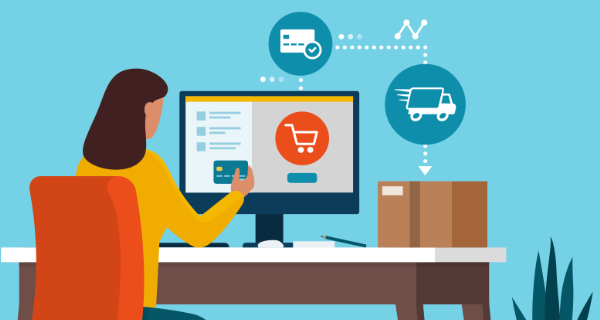
This refers to a business model in which retailers sell products directly to consumers through their own channels, such as their e-commerce sites, without going through intermediaries. Recently, as sales through their own websites have expanded, some brands have begun opening physical stores; however, sales through e-commerce sites remain the mainstream approach.
Differences Between D2C, B2C, and Traditional Mail-Order Sales
I imagine there are many businesspeople who aren’t quite sure what the difference is between D2C and B2C, aren’t there?
B2C stands for "Business to Consumer" and refers to transactions between businesses and consumers.
For example, these are products sold to general consumers, such as home appliances, cosmetics, and daily necessities. Items available for purchase at stores like drugstores and electronics retailers are sourced by Company B (the business) from the manufacturer (producer) and sold to Consumer C.
Products sold on Amazon and Rakuten Ichiba can also be considered B2C. (These days, some D2C brands sell directly through major online marketplaces, so interpretations and definitions may vary depending on the individual. For the purposes of this discussion, however, we will treat products listed on Amazon and Rakuten Ichiba as B2C.)
B2C brands use TV commercials, magazines, and other media to promote their products to consumers. They need to raise brand awareness and encourage consumers to choose their products.
On the other hand, D2C businesses primarily sell through their own e-commerce sites, and their promotional strategies mainly focus on driving direct traffic through social media platforms such as YouTube and Instagram, as well as SEO for their own websites.
D2C is also a transaction between a company and a consumer. Therefore, keep in mind that it is a subset of B2C and a business model with different methods of customer acquisition and sales.
Pros and Cons of D2C

The Benefits of D2C
There are three benefits to D2C.
High profit margin
With D2C, companies handle everything from product development to sales in-house, which allows them to achieve higher profit margins. In B2C, products pass through intermediaries before reaching consumers, resulting in fees at various stages. Consequently, various costs are incurred before the product reaches the customer, leading to lower profit margins. Conversely, some companies leverage the absence of these fees as a competitive advantage, allowing them to sell their products at lower prices than competing products.
You can develop your own unique sales approach.
Since D2C businesses primarily sell through their own e-commerce platforms, they can drive sales through their own campaigns and communications. With B2C products, however, campaigns vary by retailer, and because they’re right next to competing products, it’s inevitable that the competition will center on price rather than brand or product value.
In that regard, having your own e-commerce site—where you can run campaigns freely—allows you to offer products and provide value in your own way.
You can communicate directly with customers
Since D2C involves selling directly to consumers, it is easier to collect and analyze customer data than with B2C. As a result, a major advantage is the ability to follow up with consumers who have purchased your products after their purchase. This post-purchase follow-up can encourage repeat purchases, making it easier to turn customers into fans of your brand.
Disadvantages of D2C
Next, let's look at the disadvantages of D2C.
Product and brand strength are put to the test
While the ability to handle everything in-house—from product planning to sales—is a definite advantage, providing high-quality products and strong brand value is the key to winning over consumers. In a B2C model, retail stores and platforms handle customer acquisition, but in a D2C model, companies must consistently manage customer acquisition and foster repeat business on their own; therefore, building and promoting product and brand strength is essential.
We need to attract customers on our own.
To raise awareness of your products, you need to actively attract customers on your own. While physical stores and online marketplaces can rely on customers stumbling upon them by chance, with a D2C model, you need to actively attract customers through web advertising, SEO, and Instagram marketing to build brand awareness.
Building a loyal, long-term fan base is key to getting your business off the ground.
With D2C, you can get started on a small scale without paying any commissions as long as you can sell within your own marketplace; however, to achieve stable revenue, you need to actively build brand awareness and encourage repeat purchases. Therefore, based on the data you’ve collected, you need to develop strategies for existing customers—such as running campaigns to encourage repeat purchases and leveraging word-of-mouth to attract new customers.
It may seem like a lot of work, but by consistently implementing these strategies, you can establish a unique brand and increase sales—which is perhaps the true appeal of a D2C business.
Case Studies of Japan's Leading-Edge D2C Brands
(1) [Food] Nestlé Coffee Machine
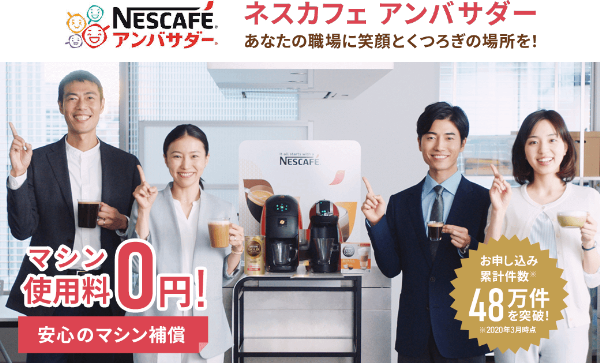
The "Barista" coffee machine offered by Nestlé Japan.
A key feature of this approach is the “Nescafé Ambassador” program. Rather than having companies adopt the system, the company appointed employees at each workplace as “barista” coordinators, creating a model where employees use the machines at work. This approach led to an increase in the number of machines installed and a rise in sales. The machines are provided free of charge, and revenue is generated through regular purchases of café menu items.
Website:https://shop.nestle.jp/front/contents/ambassador/amb/
(2) [Food] baseFood
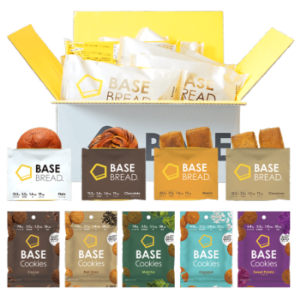
"BASE FOOD" is the world's first fully nutritious staple food. It incorporates approximately 30 types of nutrients—including protein, minerals, and vitamins—into noodles and bread dough, allowing you to consume one-third of your daily nutritional needs in a single meal.
Both subscription and one-time purchases are available.
Website:https://basefood.co.jp/
(3) [Cosmetics] Bulk Homme

BULK HOMME’s mission is “to create the world’s No. 1 brand by market share.” The company sells men’s skincare products. Although it is a company that sells skincare items, its goal is to provide “new value for the skin of men around the world.” It has expanded overseas and sells its products through retail stores and hair salons.
Website:https://bulk.co.jp
(4) [Cosmetics] Domohorn Wrinkle

This is a line of basic skincare products sold by the traditional Japanese herbal medicine company “Saishunkan Pharmaceutical.” In 1974, it became the first brand in Japan to incorporate collagen into its basic skincare products. The brand is beloved by many customers for its skincare products designed to address the concerns of aging skin, and since 2011, it has been actively expanding into overseas markets.
Website:https://www.saishunkan.co.jp/domo/
⑸ [Cosmetics] N Organic

N organic is widely recognized as a leading Japanese organic cosmetics brand. “For women who are beautiful in their natural state and possess elegance. Guided by the concept, “Guiding your skin and spirit to beauty through the power of nature,” the brand sells natural skincare products online and at select stores. In addition to skincare products, the brand offers hair care items and is expanding its reach through its sister brand, And Wolf, a cosmetics line.
Website:https://n-organic.com/
⑹ [Food] snaq me
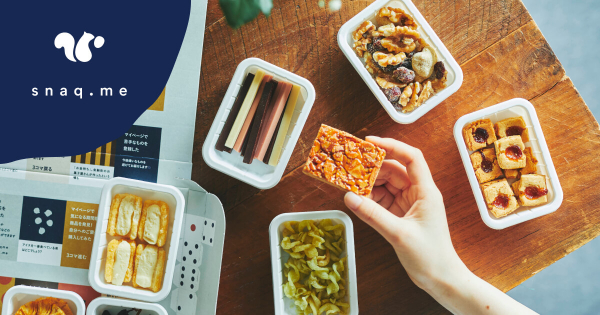
This brand was founded on the concept of “Making snack time meaningful,” driven by the desire to provide warm and enjoyable moments in a modern style, while ensuring safety and peace of mind.
We offer a service that regularly delivers single-serving portions of natural snacks made exclusively from natural ingredients, without any artificial additives, shortening, or white sugar.
Website:https://snaq.me/
⑺ [Apparel] ALL YOURS
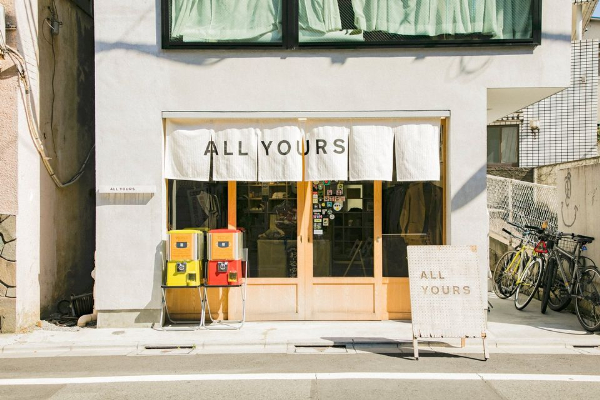
This fashion brand sells clothing based on the concept of “clothes that blend seamlessly into daily life—so much so that you forget you’re even wearing them”—for both men and women. The brand has long been dedicated to creating comfortable, long-lasting clothing, and has attracted a large following of customers who share its vision. It has also launched several crowdfunding campaigns and enjoys strong support from its fans.
Website:https://allyours.jp/
⑻ [Food] Mr. CHEESECAKE

Amid the COVID-19 pandemic, more and more people have expressed a desire to ”make the most of their time at home,” leading to a surge in popularity for Mr.CHEESECAKE. Hailed as “the best cheesecake of your life,” it has captivated customers who have purchased it. The brand has achieved great success, earning high ratings from customers through word-of-mouth driven primarily by social media marketing.
Website:https://mr-cheesecake.com/
⑼ [Cosmetics] MEDULLA

In a world overflowing with products and information, “MEDULLA” was born from the concept of personalized shampoo. The company offers a service that delivers products customized to each individual. Users answer questions online, and the system selects the perfect shampoo and conditioner for them from 30,000 possible combinations, which are then delivered right to their doorstep. In a world where information is so overwhelming that it’s hard to make sense of it all, this brand has earned trust by providing users with a sense of reassurance and satisfaction that they receive products tailored specifically to their needs.
Website:https://medulla.co.jp/
⑽ [Health Foods] FUJIMI
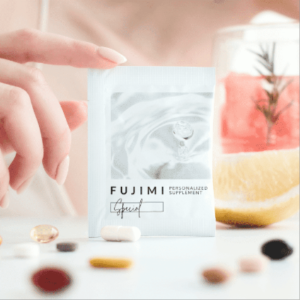
"FUJIMI" customizes supplements tailored to each individual based on a skin analysis. It’s a subscription service where, after answering about 20 questions regarding your skin, you receive a supplement regimen tailored to your diagnosis. The supplements are individually packaged in daily doses (5 capsules each) and shipped in a single box (a 30-day supply) once a month. The brand has gained popularity among a demographic centered on modern women who want personalized information and supplements delivered right to their doorstep.
Website:https://fujimi.me/
Common Characteristics of Successful D2C Cases
Unique Product Appeal and Brand Strength
In addition to unique product concepts, these products are distinguished by their distinctive sales methods and the unique experiences and transformations they offer through the products themselves.
Brands that not only address consumers’ concerns and help them achieve their ideals but also communicate their vision and values for the future—and thereby build a fan base—are on the rise.
Content Strength Through Unique Marketing
Some brands conduct crowdfunding campaigns and test marketing before launch, while others promote their brands on Instagram; in either case, they are independently communicating the value they want to provide.
It is also effective to communicate with customers you have acquired on your own through your products, social media, your official website, and your official LINE account, and to actively provide value and information beyond just your products.
Summary
We have described the differences and characteristics between traditional mail-order businesses and B2C and D2C businesses.
Since D2C businesses require unique product appeal and the ability to attract customers, there may be aspects that are difficult to grasp just by looking at case studies.
However, analyzing what customers are looking for when they try your products or services—and then delivering on those needs—is key to building a loyal customer base and driving sales growth. So, if you’re thinking about launching a D2C business, why not take a deep dive into the value you offer and start with a small-scale test marketing campaign?